
Bank Audit
Bank audits are essential to ensure the accuracy, transparency, and compliance of banking operations with regulatory requirements. At CA Shubham Sudhir Gupta & Co., we provide thorough and reliable bank audit services, delivering insights that safeguard both compliance and financial integrity.
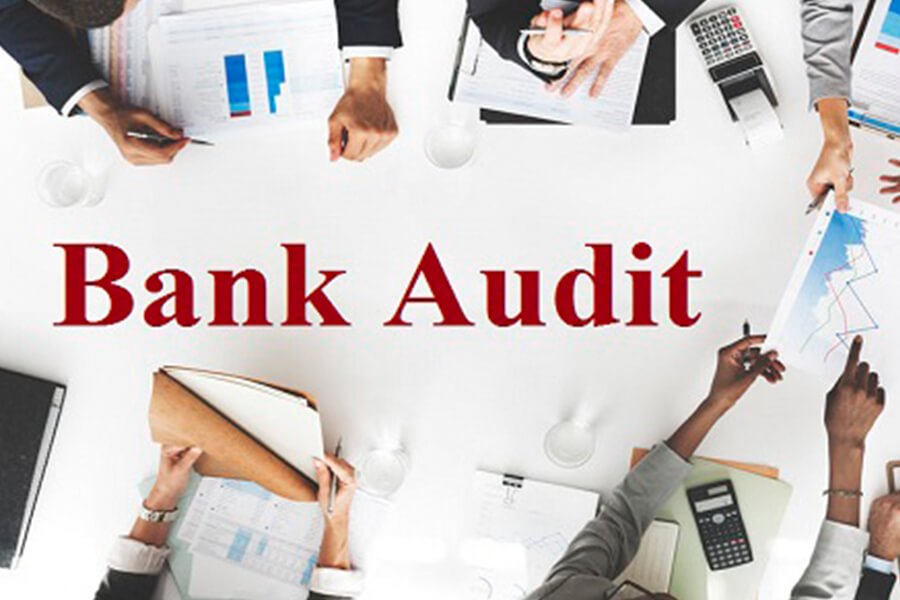
What is Bank Audit?
A Bank Audit is an independent examination of a bank’s financial statements, records, and operations to ensure they reflect a true and fair view and comply with statutory and regulatory guidelines issued by the Reserve Bank of India (RBI) and other governing bodies.
Why is Bank Audit Important?
- Ensures compliance with RBI norms, Banking Regulation Act, and other laws
- Detects fraud, misstatements, or irregularities
- Assesses asset quality and loan portfolio health
- Verifies proper classification of accounts and provisioning
- Strengthens the bank’s internal control systems
Types of Bank Audits
- Statutory Audit:- Annual audit mandated for banks to ensure compliance and accuracy in financial reporting.
- Concurrent Audit :- Continuous review of transactions to detect errors or irregularities in real-time.
- Internal Audit:-Conducted by internal auditors to evaluate and improve internal controls.
- Stock & Revenue Audit :- Verification of stock statements and income recognition accuracy.
- Special Audit:-Directed by RBI or regulatory bodies to investigate specific issues.
Documents & Records Reviewed During Bank Audit
Financial statements (Balance Sheet, Profit & Loss)
Loan and advance registers
Non-Performing Assets (NPA) reports
Cash verification reports
Investment and securities records
Interest income and expense schedules
KYC & AML compliance documents
Branch audit reports and inspection notes
RBI circulars and compliance check list issues.
Benefits of a Proper Bank Audit
- Ensures Regulatory Compliance
Helps the bank meet RBI, statutory, and internal policy requirements. - Strengthens Internal Controls
Identifies operational weaknesses and improves internal systems. - Prevents Fraud & Irregularities
Early detection of suspicious transactions, document lapses, or financial misstatements. - Improves Asset Quality
Ensures correct classification of NPAs and appropriate provisioning. - Enhances Financial Accuracy
Prevents errors in interest calculations, reporting, and income recognition. - Boosts Customer Trust & Credibility
A clean audit improves the bank’s reputation and reliability. - Supports Smooth Regulatory Inspections
Proper audit documentation helps during RBI inspections and reviews.
Consequences of Non-Compliance in Bank Audit
- Regulatory Penalties
Non-adherence to RBI norms or audit recommendations can lead to heavy fines. - Adverse Audit Reports
Can result in qualified, adverse, or disclaimer opinions, affecting the bank’s public image. - Higher RBI Scrutiny
May trigger special audits, inspections, or restrictions on certain banking activities. - Reputational Damage
Non-compliance reduces customer confidence and affects investor relations. - Operational & Financial Risks
Misreporting, weak controls, or poor documentation can lead to losses or fraud. - Legal Consequences
Serious violations may lead to legal action, litigation, or prosecution under banking laws. - Management Accountability Issues
Senior officials may face disciplinary action for repeated compliance failures. - Impact on Business Expansion
Non-compliance affects branch approvals, licensing, and merger opportunities.
Our Bank Audit Process
- Pre-Audit Planning
Understand bank operations, review previous audit reports, and identify high-risk areas. - Document Collection & Verification
Collect financial statements, loan files, KYC records, NPA details, and other key documents. - Internal Control Evaluation
Assess internal controls, risk management system, and compliance framework of the bank/branch. - Loan Portfolio Review
Verify loan sanctioning, documentation, asset classification, NPA identification, provisioning, and recovery status. - Compliance Check
Ensure adherence to RBI guidelines, Banking Regulation Act, income recognition norms, and internal bank policies. - Accuracy of Financial Reporting
Verify balance sheets, P&L, income recognition, interest calculations, and provisioning. - Audit Findings & Discussion
Identify gaps, irregularities, misstatements, and non-compliance areas. Discuss with branch management. - Final Audit Report Submission
Provide a detailed audit report with observations, recommendations, and compliance requirements.
We’re Here.
Need an Advice from Expert CA?
Let’s Connect Today!
- (+91) 9403668809
Contact Detail
- Near Signal Point, Bhadgaon Road, Chalisgaon, Maharashtra
- cashubhamguptacsn@gmail.com
Practice Area
Accounting & Bookkeeping Services
Taxation Services (Direct & Indirect Taxes)
Auditing & Assurance Services
Company Registration & Compliance
(ROC Services)
Financial Advisory & Business Consulting
- cashubhamguptacsn@gmail.com
© 2026 CA Shubham Sudhir Gupta & Co. | All rights are Reserved